


In today’s classrooms, diversity is the norm. In many schools, one-third of pupils were born in another country or have relatives who were. This creates a rich environment where children can share and compare their family backgrounds. But education must go further than simply acknowledging differences—it should actively engage pupils in exploring the wider world.
A New Approach
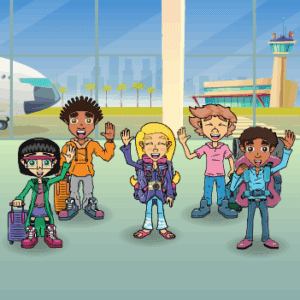 The Can Do Kids Worldwide programme introduces a dynamic way for primary pupils to learn about countries and cultures. Instead of relying solely on textbooks, pupils embark on virtual journeys alongside teenage band members who represent different parts of the globe:
- Ace – energetic drummer from South Africa
- Amy – versatile vocalist from the USA
- Ravi – cool bass guitarist from India
- Lin – clever keyboard player from China
- Oz – adventurous lead guitarist from Australia
Together, these characters guide pupils through countries such as Brazil, India, China, Australia and beyond.
Learning Through Music, Stories, and Exploration
Pupils watch engaging videos of each country and then meet in groups to discuss their “travel plans”. They explore:
 Food – traditional dishes and flavours
- Sport – games that unite communities
- Music and dance – cultural rhythms and movements
- Landmarks, rivers and mountains – geography that shapes identity
- Cultural stories – narratives that pass down values and traditions
 Food – traditional dishes and flavours
 Sport – games that unite communities
 Music and dance – cultural rhythms and movements
 Landmarks, rivers and mountains – geography that shapes identity
 Cultural stories – narratives that pass down values and traditions
By presenting their findings to teachers and classmates, children practise communication, creativity and teamwork.
Benefits for Primary Pupils
This approach offers multiple educational advantages:
- Engagement: Music and storytelling make learning lively and memorable.
- Creativity: Pupils design travel itineraries and presentations.
- Collaboration: Group work builds teamwork and empathy.
- Constructive Thinking: Comparing cultures encourages reflection, problem-solving and positive analysis.
- Confidence: Presenting ideas strengthens public speaking skills.
- Global Citizenship: Exposure to diverse traditions nurtures respect and curiosity.
Suggested Classroom Exercises
To bring the programme to life, teachers can use practical activities such as:
- Cultural Food Map: Pupils place pictures of dishes from different countries on a world map and discuss similarities.
- Music Fusion Workshop: Groups combine rhythms from two countries (e.g., African drumming with Indian tabla) to create a new sound.
- Travel Plan Presentations: Each group designs a “virtual itinerary” for visiting a country, including landmarks, sports and cultural events.
- Story Circle: Pupils share short cultural stories or legends from the countries studied, then reflect on the values they teach.
- Sports Showcase: Pupils learn about a traditional sport (e.g., cricket in India, capoeira in Brazil) and demonstrate simple moves or rules.
- Landmark Builders: Using art materials, pupils create models of famous landmarks (e.g., Great Wall of China, Sydney Opera House) and explain their significance.
Preparing Children for a Multicultural World
The Can Do Kids Worldwide programme equips primary pupils with the skills and mindset needed to thrive in a multicultural society. By combining virtual travel, music and storytelling, it transforms cultural education into an exciting adventure. Pupils don’t just learn about the world—they experience it, discuss it and share it with others.